Key Takeaways
- Exposure to oxygen and sunlight ages the asphalt binder, making the pavement stiffer and more brittle over time, which increases the risk of cracking and raveling.
- Water is an important contributor to pavement damage because it can weaken the pavement structure and reduce support in the underlying layers.
- Freeze-thaw cycles, repeated traffic loading, and poor drainage can accelerate potholes, rutting, and structural distress.
- Some pavement problems are surface-level, while recurring potholes, alligator cracking, and settlement can involve the base, the soil, drainage, or pavement thickness. They call for an inspection rather than a guess.
- Maintenance such as inspections, crack sealing, drainage correction, and sealcoating can slow some surface damage and reduce water entry, but it does not repair structural defects.
Asphalt driveways and parking lots are built to handle daily use, but they are not maintenance-free. Over time, even a well-installed asphalt surface will begin to show signs of wear. The key is understanding what causes deterioration, what warning signs to watch for, and what steps can help you protect the pavement while issues are still small.
For homeowners and property managers, understanding parking lot deterioration and driveway wear is critical. Asphalt distress usually does not begin with a dramatic failure. It often starts with binder aging, small cracks, drainage issues, or repeated stress from traffic.
If you want to save your driveway and extend its lifespan, the best approach is regular inspection and timely maintenance, not waiting for a failure.
Why Asphalt Deteriorates Over Time
Deterioration usually reflects several interacting factors. Asphalt pavement is designed to be flexible, but the binder stiffens as it ages. Exposure to sunlight, oxygen, water, traffic loads, and chemicals all contribute, and when these elements combine, the pavement can weaken both at the surface and below.
Maintenance can slow some surface damage and reduce water entry, while drainage or structural defects may require a different repair. That's why early detection matters.
UV Damage and Oxidation
One of the most common causes of asphalt deterioration is UV damage and oxidation. Over time, exposure to oxygen and sunlight ages the asphalt binder, making it stiffer and less able to flex.
This process leads to fading, brittleness, and surface cracking. Once the surface becomes rigid, it is more vulnerable to damage from traffic and weather. The binder keeps aging throughout the pavement's life; there is no single point at which asphalt is "fully cured" and stops changing.
Water Infiltration: A Major Contributor to Failure
Water is an important contributor to asphalt deterioration. It enters through cracks and surface voids and can eventually reach the base and subgrade layers.
Once water infiltrates these layers, it can weaken the structural support of the pavement. This can contribute to potholes, soft spots, and widespread cracking.
In colder climates, freeze-thaw cycles make this problem worse. Water expands when frozen, creating pressure within the pavement and accelerating deterioration.
Drainage and Grading Issues
Standing water is never a good sign. Poor drainage is one of the fastest ways to shorten the life of asphalt.
Ensuring proper drainage and grading allows water to flow away from the surface instead of pooling and seeping into the pavement structure.
Without proper drainage, even a newly paved driveway or parking lot can begin to fail prematurely.
Traffic Load and Repeated Stress
Every asphalt surface is designed for a specific load capacity. Repeated stress from heavy vehicles or consistent traffic patterns can cause the pavement to break down over time.
This is especially common in drive lanes, parking areas, and locations where vehicles frequently stop or turn. Over time, this stress can lead to rutting, depressions, and cracking.
Chemical Damage and Surface Breakdown
Oil, gasoline, and other chemicals can weaken asphalt by softening the binder. What starts as a stain can eventually become a soft spot that fails under pressure.
This type of damage is often seen in parking areas and driveways where vehicles regularly leak fluids.
Poor Installation or Weak Base
Sometimes deterioration begins below the surface due to improper installation. A poorly prepared base, inadequate compaction, or insufficient thickness can lead to early failure.
Even if the surface looks good initially, underlying issues can cause the pavement to deteriorate much faster than expected.
Warning Signs of Asphalt Deterioration
Recognizing early warning signs can help you plan repairs before damage spreads.
- Fading and discoloration
- Surface cracks
- Raveling or loose aggregate
- Potholes or recurring patches
- Standing water
- Soft spots or sinking areas
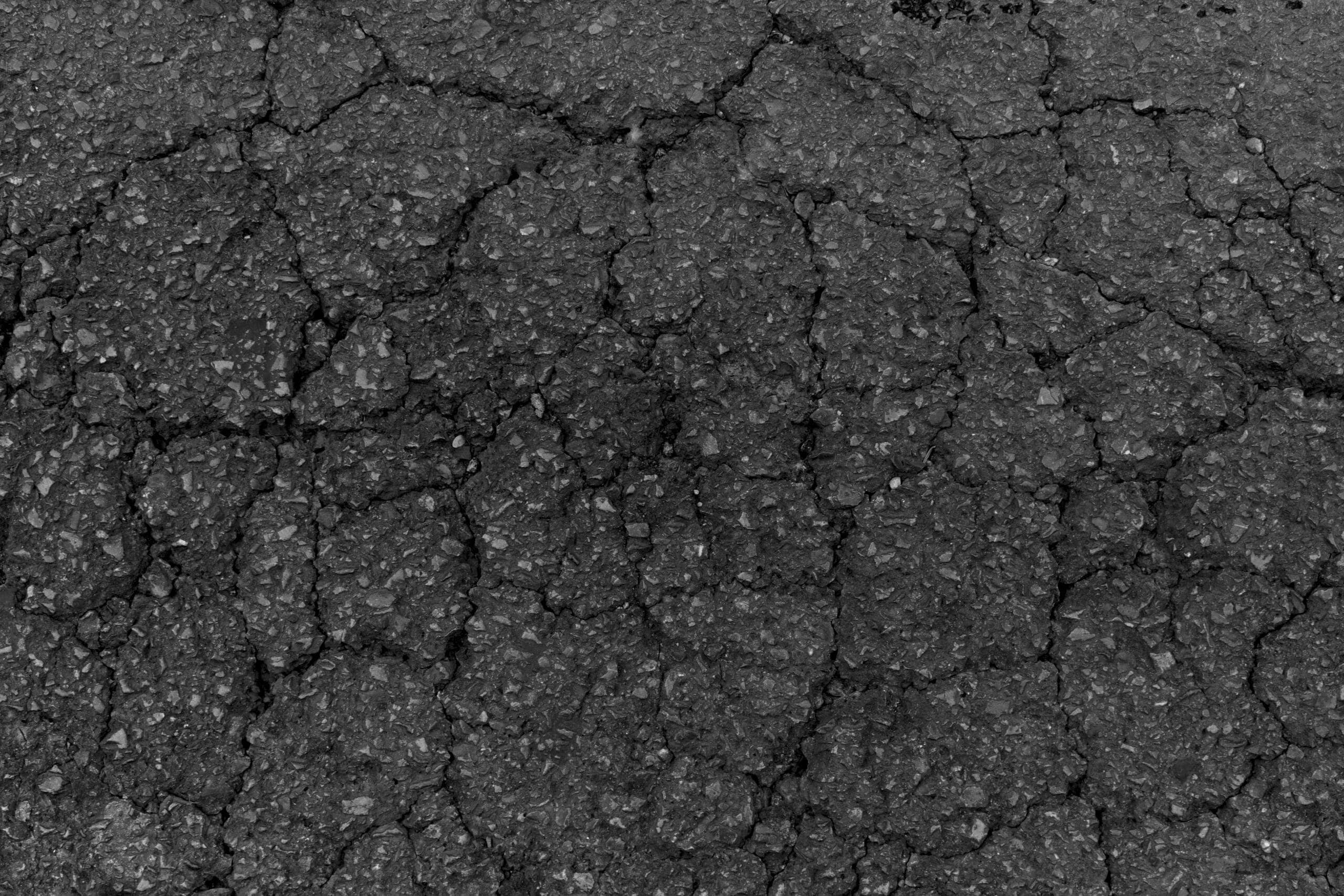
- Alligator cracking
These signs are evidence for an inspection, not a diagnosis on their own. Cracks, ruts, settlement, and potholes can come from different layers and causes, so the right repair depends on what is actually failing. Our guide to signs your driveway needs repair vs. replacement explains what an inspection looks at.
How to Prevent Asphalt Deterioration
Preventive maintenance can slow deterioration and reduce water entry, but it works best on pavement that is still structurally sound.
Sealcoating
Sealcoating is an optional surface treatment that can help protect sound pavement from UV exposure and water. Chemical resistance depends on the product selected, so clean up spills promptly; sealing does not repair weakened asphalt or make it fuel-proof. It does not restore the pavement's original flexibility or structural strength. Resealing a driveway every two to three years is typical guidance, but whether and when to reseal depends on the pavement's condition and the sealer, and the product's instructions set when and how it can be applied.
Crack Filling
Sealing suitable cracks early can reduce how much water reaches the base layers. It does not stop all water intrusion, and it does not repair pavement that has already failed from fatigue.
Drainage Maintenance
Ensuring proper grading and water flow reduces the risk of structural damage.
Routine Inspections
Regular inspections help catch problems early, when there are usually more repair options.
Conclusion
Asphalt deterioration is a natural process, and the right maintenance strategy can slow it. Understanding the contributors (binder aging, water infiltration, drainage issues, traffic stress, and base problems) allows property owners to take proactive steps.
Addressing small issues early and maintaining your pavement properly can extend its life, although drainage or structural defects may still need a more substantial repair.
Maisano Brothers Inc. offers sealcoating and maintenance services throughout Connecticut. Contact us to schedule a free estimate and protect your investment.
Frequently Asked Questions
What is the main cause of asphalt deterioration?
There is not just one cause. Water infiltration is an important contributor because it can weaken the pavement structure below the surface, and binder aging, UV exposure, traffic loading, and freeze-thaw cycles also play major roles. Deterioration usually reflects several of these factors working together.
Does sunlight really damage asphalt?
Yes. UV exposure and oxidation gradually age the asphalt binder, making the pavement stiffer, less flexible, and more likely to crack.
Why is standing water bad for asphalt?
Standing water increases moisture exposure and makes it easier for water to enter cracks and weak spots. Over time, that can contribute to potholes, base weakening, and premature failure. Our guide on why drainage causes pavement failure explains the mechanism.
Can oil or gasoline damage a driveway?
Yes. Petroleum products can soften asphalt in localized areas, which can lead to soft spots and surface breakdown under traffic.
What is alligator cracking?
Alligator cracking is a network of interconnected cracks. It is commonly associated with fatigue, which can involve pavement thickness, repeated loading, or inadequate support underneath, so it usually warrants an inspection to find the cause rather than a surface-only treatment.
How do I know if my asphalt needs repair or replacement?
It depends on what an inspection finds, not on appearance or age alone. Surface aging, small cracks, and oxidation may be handled with maintenance. Recurring potholes, rutting, soft areas, drainage issues, and widespread cracking may call for localized full-depth repair, an overlay with proper preparation, or, where the structure has failed broadly, complete reconstruction.
Does sealcoating fix damaged asphalt?
No. Sealcoating is a surface treatment, not a structural repair. It helps protect sound or moderately aged pavement from oxidation and moisture, and from some chemical exposure depending on the product, but it does not restore lost strength or fix fatigue cracking.
How often should asphalt be inspected?
A yearly review is a sensible baseline, and inspections are especially helpful after winter, after long periods of heavy rain, or when new cracking, ponding, or soft spots appear.