Commercial Sealcoating — Protect the Asset You Already Own
Pavement is one of the most expensive assets a commercial property carries — and one of the easiest to neglect until it is failing. Sealcoating is the maintenance step that delays that day.
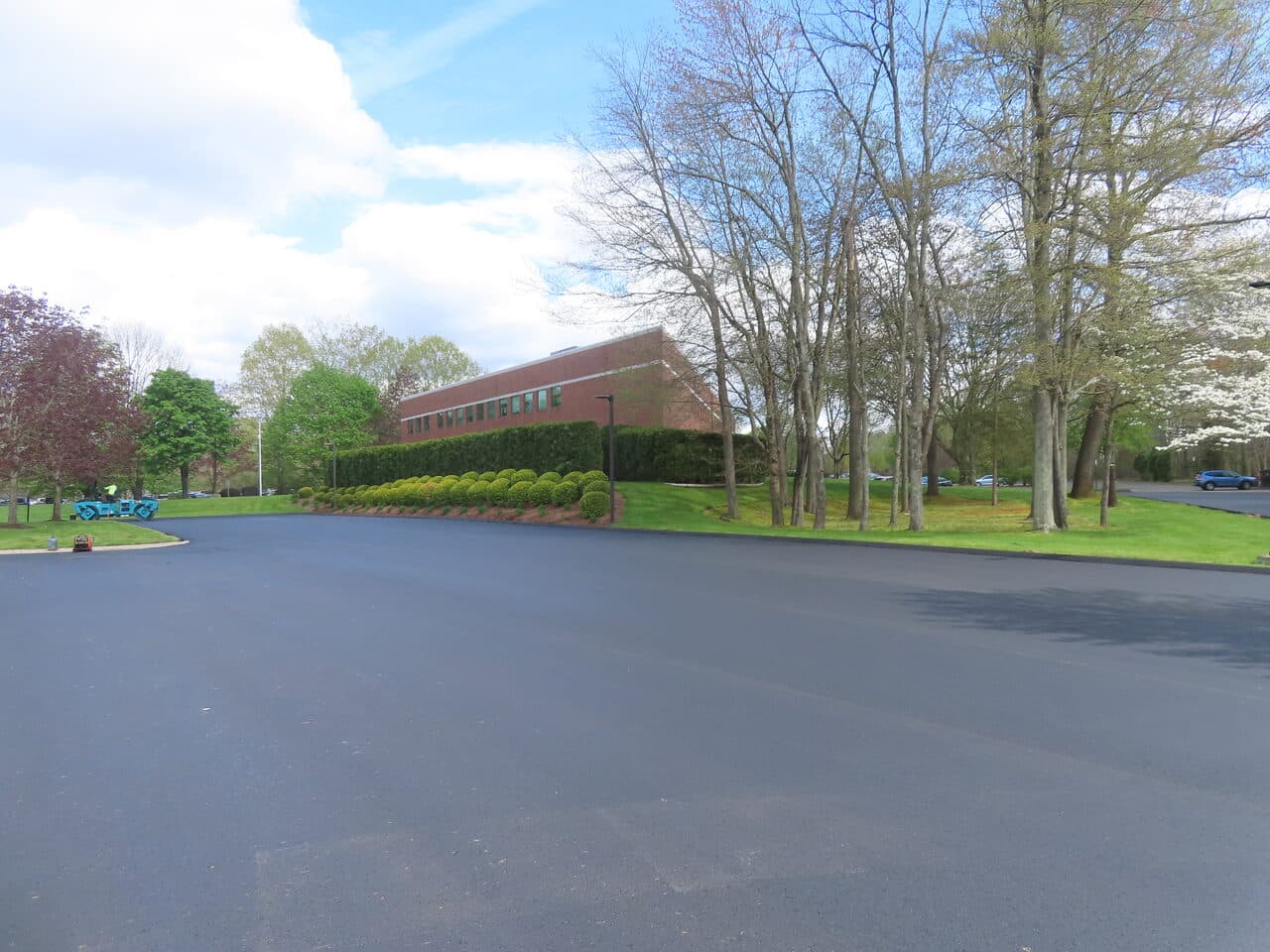
Commercial sealcoating applies a protective surface treatment to asphalt parking lots and roadways that blocks moisture, slows oxidation, and improves appearance. Sealcoat applied when the surface calls for it, typically every two to three years, is a cost-effective way to help extend the life of commercial pavement and delay the much larger cost of resurfacing or reconstruction.
Why Maisano
Licensed & insuredCT HIC.0517988
Honest assessmentsRepair when it works, replace when it does not.
Family-run since 1967One company accountable from your estimate to the final walkthrough.
Sealcoating as part of a yearly maintenance program
Sealcoating protects a lot best on a schedule, with cracks sealed first and worn striping repainted after. We set up yearly parking lot maintenance programs for property managers in New Haven County and across Connecticut that plan the crack sealing, sealcoating, patching, and striping a lot needs over several years.
Service Details
What this service includes
Every commercial sealcoating project from Maisano Brothers Inc. covers the work that makes the result last.
Pavement assessment
We walk the lot, identify cracks and failures that need attention before sealcoating, and confirm the pavement is in a state where sealing makes sense.
Surface cleaning
We sweep and power-wash the surface, removing dirt, oil, and loose material that would prevent the sealer from bonding.
Crack sealing
We rout and fill working cracks with hot-applied rubberised sealant before the sealcoat goes down — water in cracks is the leading cause of pavement failure.
Oil-spot treatment
Oil and chemical stains are primed with an oil-spot sealer so the topcoat bonds correctly over them.
Sealcoat application
We spray-apply or squeegee a quality sealer at the manufacturer-specified coverage rate, in two coats where appropriate, with proper cure time between coats.
Line striping
We re-stripe parking spaces, ADA markings, and traffic flow indicators once the sealer has cured.
Is This Right For You?
When this service makes sense
Your asphalt is structurally sound but the surface is fading, oxidising, or staining.
It has been two to three years since the last sealcoat.
You are protecting an asset that you do not want to replace prematurely.
Curb appeal matters because customers and tenants see the lot before they see the door.
You want to delay or avoid the much larger cost of resurfacing or reconstruction.
Not sure what you need?
Our free on-site estimate includes an honest assessment and a clear recommendation — no pressure, no obligation.
A clear, proven sequence from first call to finished project.
1
Free on-site walkthrough
We walk the property with you, identify cracks and failures that need crack sealing or patching first, and confirm sealcoating is the right call.
2
Written estimate
We provide a written estimate covering crack prep, oil-spot treatment, sealcoat coverage, and striping.
3
Scheduling around operations
We schedule the work for after-hours or phased over weekends to keep your lot open as much as possible.
4
Crack prep and cleaning
We seal cracks, prime oil spots, and clean the surface before sealer goes down.
5
Sealcoat and stripe
We apply sealcoat at proper coverage rate, allow cure time, and re-stripe the lot.
Quality & Craftsmanship
Materials, equipment, and quality
The standards and details that separate work built to last from work built to look finished.
Crack prep before sealcoat
Sealcoat is not a crack filler. We rout and seal working cracks first so the sealcoat is doing the job it is designed for — surface protection.
Proper coverage rate
Under-applied sealcoat looks like sealcoat but fails in a season. We apply at manufacturer-specified rate, in two coats when conditions call for it.
Quality sealer
We use proven commercial sealer products — not the cheapest gallon on the shelf — because the cost of a re-coat at year one dwarfs the cost of doing it right the first time.
Cure time respected
Sealcoat needs time to cure before traffic. We schedule the work around your operations so the surface is ready when it has to be.
Common Questions
Frequently asked questions
How often should a commercial parking lot be sealcoated?
Most commercial lots benefit from sealcoating every two to three years. Higher-traffic lots and lots with significant oxidation may need it more frequently; well-maintained lots in low-traffic settings can stretch to four years.
How long does sealcoat take to cure?
Most commercial sealcoat needs 24 hours of dry weather before light traffic and 48 to 72 hours before normal operations. We work around your hours to keep the lot open.
Will sealcoating fix cracks in my parking lot?
No — sealcoat is a surface protectant, not a crack filler. Working cracks need to be routed and sealed with hot-applied rubberised sealant before the sealcoat goes down. We handle both in the same project.
How long does a sealcoated lot stay black?
Fresh sealcoat is deep black and fades to a softer charcoal over the first year. The colour is cosmetic — the protective function lasts the full two-to-three year cycle.
Can you sealcoat in cold weather?
Sealcoat needs warm dry conditions to cure properly — we typically run sealcoating from late spring through early fall in Connecticut.