Key Takeaways
- Asphalt pavement can be reclaimed and reused, and the National Asphalt Pavement Association (NAPA) reports it is America's most recycled material.
- Old pavement is milled or removed, crushed and screened, then blended into new asphalt mix as reclaimed asphalt pavement (RAP).
- Reusing RAP cuts the amount of new binder and stone a project needs and keeps old pavement out of landfills.
- When it's properly processed and the mix is designed for it, pavement made with RAP can perform comparably to pavement made entirely from new materials.
- Recycled asphalt shows up in highways, parking lots, driveways, and base layers.
Asphalt covers everything from residential driveways to interstate highways, and the U.S. produces hundreds of millions of tons of it every year. What many people don't realize is that old asphalt rarely goes to waste. When a road or parking lot is resurfaced, the old pavement is usually ground up and built back into new pavement. According to the NAPA/FHWA industry survey of the 2024 construction season, more than 99 percent of reclaimed asphalt pavement was put back to use, and about 101.4 million tons of it went into new asphalt mixtures. That 99 percent describes reclaimed pavement being reused in the U.S.; it doesn't mean new mixes are 99 percent recycled, and it isn't a measure of every contractor or every country.
This process, known as asphalt recycling, reduces waste, conserves stone and petroleum binder, and can lower material costs without giving up performance when it's done right.
What Is Asphalt Recycling?
Asphalt recycling is the practice of reclaiming old asphalt pavement, processing it, and using it again. In the paving industry, the material is called RAP (reclaimed asphalt pavement). RAP is produced whenever existing pavement is removed during resurfacing or reconstruction. Instead of hauling it to a landfill, contractors send it to asphalt plants or reuse it on site.
Asphalt is easy to recycle because it's made of just two main components: aggregates (crushed stone, sand, and gravel), which make up most of the mix, and asphalt binder, the petroleum-based "glue" that holds the stone together. When pavement is reclaimed, both the stone and the binder can be reused, which reduces the demand for new materials.
How the Asphalt Recycling Process Works
1. Milling or Removal
The first step is removing the old surface. On roads and parking lots, this is usually done with asphalt milling machines that grind off the top layer in small pieces, leaving the base in place for a new surface. When pavement is fully removed instead, it's broken up and hauled to the plant.
2. Crushing and Screening
At the plant, the reclaimed material is crushed and screened to remove oversized chunks and debris and to sort it into consistent sizes. Plants typically stockpile and test RAP so they know what they're working with before it goes into a new mix.
3. Reheating and Mixing
The processed RAP is heated and blended with new binder and new aggregate. How much RAP goes into a mix depends on the specification and the type of pavement; NAPA's survey of the 2024 construction season puts the national average RAP content at about 22.9 percent of asphalt mixtures. Some in-place methods reuse much more: full-depth reclamation, for example, grinds the old pavement together with part of the base beneath it and turns it into a new base layer right on site; a stabilizing agent is an option within some reclamation processes, not a requirement of every one. Recycling methods and end uses vary. The appropriate process depends on the existing material, pavement design, and intended loading.
4. Repaving and Compaction
Finally, the recycled mix is placed with a paver, compacted with rollers, and finished into a new surface. When the mix is properly designed and tested, the result can perform comparably to pavement made entirely from new materials.
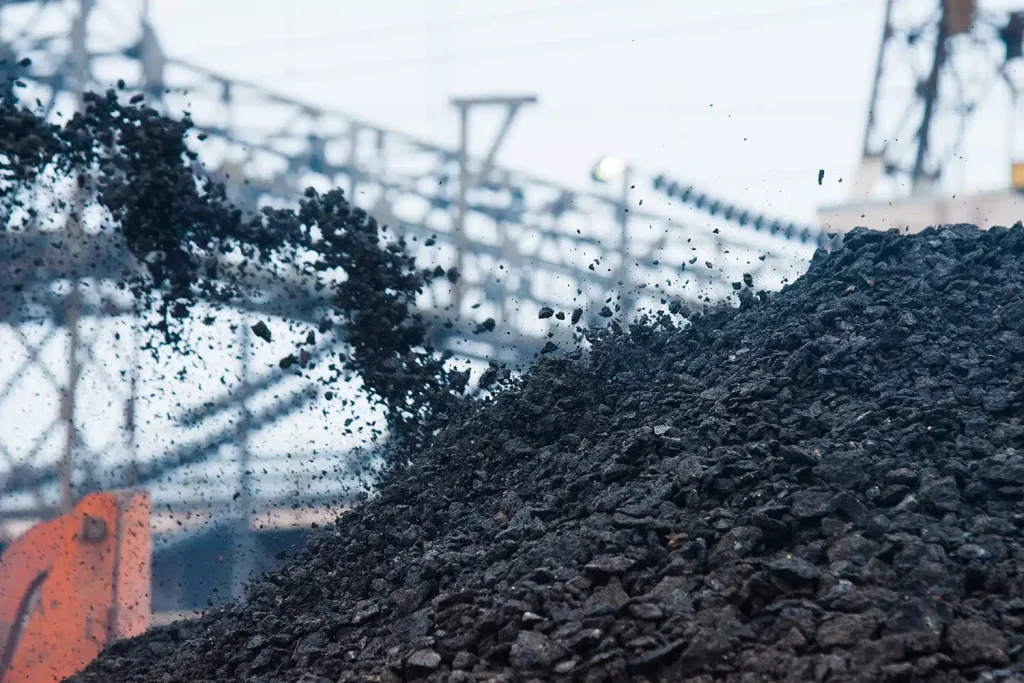
Reclaimed asphalt pavement (RAP) is crushed and screened before being reused in new projects.
Why Asphalt Recycling Is Used
Recycled asphalt isn't only about being environmentally friendly; it's also practical. Contractors, municipalities, and property owners use it for three main reasons:
- It reduces material costs. Asphalt binder is one of the most expensive ingredients in pavement, and its price follows crude oil and refinery supply. Every ton of RAP brings some binder with it, so less new binder has to be bought.
- It conserves natural resources. Stone and sand come from quarries. Reusing aggregate means less quarrying and less trucking of new material.
- It's standard practice. State transportation departments routinely allow RAP in their asphalt specifications, with limits set by mix type, so recycling is the norm rather than the exception.
Benefits of Asphalt Recycling
1. Environmental Benefits
Recycling keeps old pavement out of landfills and reduces the need for new quarrying and binder production. NAPA's survey estimates that RAP used in the 2024 season conserved about 5.1 million tons of asphalt binder and displaced more than 96 million tons of virgin aggregate nationally. The benefit on any one project depends on its actual mix.
2. Cost Savings
Because RAP already contains stone and binder, mixes that use it need less new material. Those savings help keep paving costs down for public agencies, businesses, and homeowners, though the price of any given job still depends mostly on its size, site work, and base condition. For illustrative residential budgeting examples, see our 2026 asphalt driveway cost guide.
3. Durability and Performance
Recycled asphalt isn't inherently weaker than new asphalt. The binder in RAP has aged and stiffened, so mix designers account for it, by limiting the RAP percentage, adjusting the new binder, or using additives, to keep the mix resistant to cracking. Properly designed RAP mixes are used on highways and parking lots across the country.
4. Energy Efficiency
Making new binder and quarrying and hauling new stone takes energy. Reusing those materials reduces that demand. Warm-mix asphalt technologies, which let plants produce and place asphalt at lower temperatures, can reduce fuel use further when a mix is actually produced at a reduced temperature, and they are often used alongside RAP.
5. Flexibility in Application
Recycled asphalt can be used in:
- New roadways and highways
- Parking lots
- Residential driveways
- Base layers under new pavement
- Recycled asphalt millings as a compacted surface for rural driveways, paths, and work yards
Millings used as an unbound surface or base are not the same as an engineered, compacted new asphalt mixture, and they shouldn't be expected to perform like one.
Industry Adoption and Growth
Asphalt recycling is standard practice across the United States. NAPA has surveyed recycled-material use every year since 2009, and the average share of RAP in asphalt mixes has risen from about 16 percent in the 2009 season to about 22.9 percent in the 2024 construction-season survey. Better plant equipment, testing, and mix design have allowed higher RAP contents while keeping quality under control. You can read the full survey at NAPA's Information Series 138.
Asphalt Recycling in Everyday Life
For property owners, asphalt recycling means a new driveway or parking lot may contain material from a road just down the street. For towns, it helps stretch paving budgets. For businesses, in-place methods like milling and reclamation can mean fewer truckloads and shorter projects; our mill and overlay vs. full-depth reclamation guide explains when each one makes sense.
The Bigger Picture
Asphalt is one of the clearest examples of an industry closing the loop on its own waste: the old road becomes the new road. The same idea applies to metals, paper, plastics, and yard waste. When materials get a second life, we use fewer raw resources and send less to landfills.
Final Thoughts
Asphalt recycling shows that sustainability and practicality can go hand in hand. It saves stone and binder, reduces landfill waste, and, when the mix is designed properly, delivers pavement that performs. If you're planning a driveway or parking lot project and want to know whether milling, reclamation, or recycled materials make sense for it, contact Maisano Brothers Inc. for a free estimate.