Short answer: yes, you can pave over old asphalt, but only when the pavement underneath can support it after needed repairs and the drainage and finished elevations work. If the base has failed, a new layer can hide the problem for a while, but cracks or settlement can return if the underlying movement remains. Here's how to tell which situation you're in.
Key Takeaways
- An asphalt overlay (resurfacing) adds a new layer of hot mix asphalt over the existing pavement after appropriate preparation. About 1½–2 inches of compacted asphalt is a common example, where that suits the mix, the loads, and the existing pavement.
- Overlays work best when the base is stable, cracks are surface-level, and drainage is good.
- On a sound, well-drained base with regular maintenance, an overlay can add years of service; how many depends on the existing pavement, the repairs made first, the compacted thickness, traffic and drainage.
- Alligator cracking, standing water, or a weak base call for an inspection. Localized failures may be repairable before an overlay; widespread instability may justify reconstruction.
- Overlays usually cost less and go faster than full replacement.
- An overlay can raise the surface, but milling can offset some or all of the added thickness; the finished grade has to work at garage floors, curbs, and drains.
When a driveway or parking lot starts showing cracks, potholes, or fading, the question comes up: do I need to replace it completely, or can new asphalt go over the old surface? It depends on the condition of the existing pavement, and especially on what's underneath it.
At Maisano Brothers Inc., we've been paving Connecticut since 1967, and we get this question constantly from homeowners and property managers. Below, we explain how overlays work, when they're worth it, and when a full replacement is the smarter investment.
What Is an Asphalt Overlay?
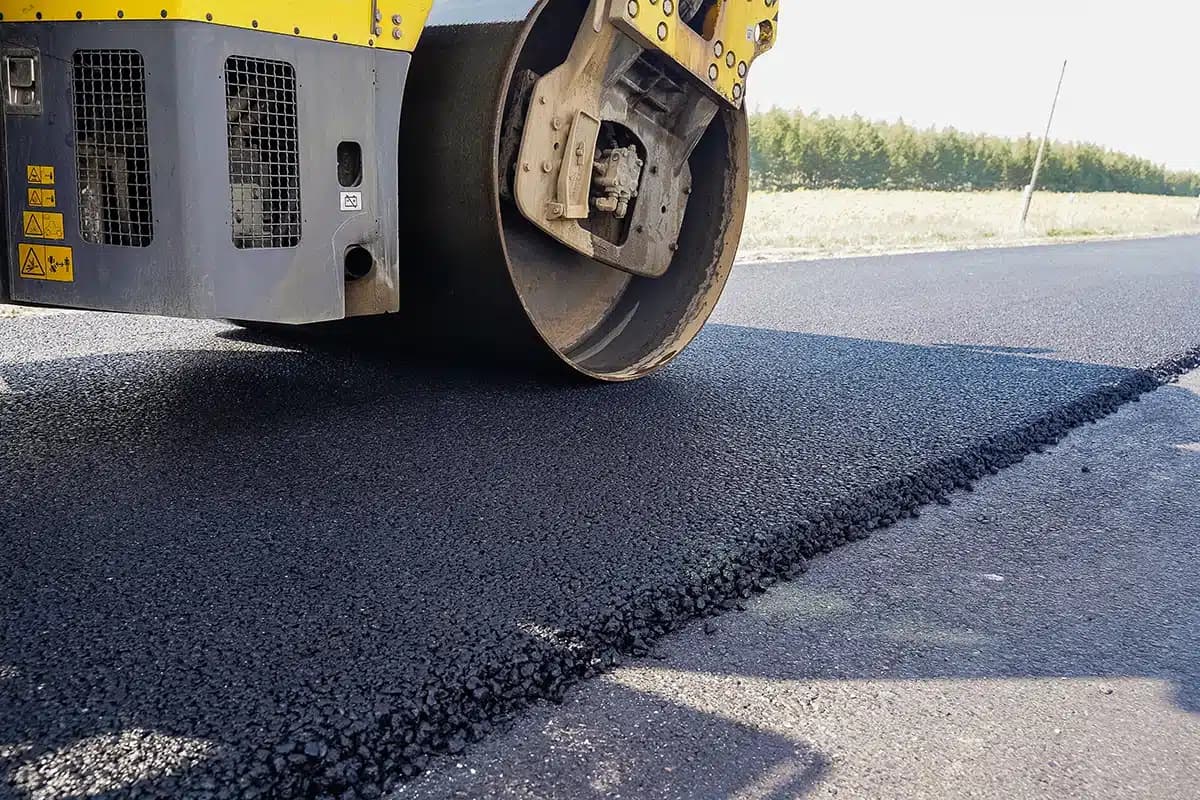
An asphalt overlay, also called driveway resurfacing, adds asphalt to an existing pavement after appropriate preparation. Instead of tearing out the old driveway or lot, we clean the surface, repair weak spots, fill cracks, apply a tack coat so the layers bond, and pave and roll the new surface. Milling, leveling, drainage corrections, and localized full-depth repairs may be part of the project; the finished grade must work at garages, walks, drains, and road connections.
Because an overlay reuses the existing pavement instead of replacing the full section, it usually costs noticeably less than replacement. Maisano Brothers Inc.'s published ranges are about $3–$7 per square foot for resurfacing and about $4–$10 per square foot for a new asphalt driveway. These are generic planning ranges, not a quote or a statewide average. The new-driveway range assumes a typical driveway on a prepared stone base, and excavation, removal and drainage work can move a project within or above it; final pricing depends on measured area, milling, repairs, drainage, compacted asphalt thickness, access, and site conditions. Our 2026 asphalt driveway cost guide breaks down what moves the price.
When Is an Overlay a Good Option?
Overlaying makes sense when the pavement is worn but still structurally sound:
- Stable base: The foundation is solid and hasn't shifted or sunk.
- Surface-level damage only: Small cracks, raveling, or general wear without deep structural failure.
- Limited potholes: A few can be cut out and patched first; widespread potholes are a red flag.
- Good drainage: No standing water or low spots that trap moisture, or drainage problems that can be corrected as part of the project.
- Even surface: No major sinking or uneven settlement.
When these conditions are met, an overlay can give you many more years of use, especially when it's followed by crack filling and, when the surface warrants it, driveway sealcoating.
When an Overlay Alone Won't Work
Sometimes the old pavement is too damaged or unstable to support a new layer without more work. Look more closely when you see:
- Severe cracking: Alligator (fatigue) cracking or deep fractures can involve pavement thickness, repeated loading, or weak support. An inspection should determine the cause and how far it extends.
- Widespread potholes: Too much of the surface has already broken down.
- Drainage problems: Poor grading or standing water will undermine any overlay unless the drainage is corrected.
- Multiple past overlays: More layers can raise the surface above garage floors, thresholds, curbs, or drains unless old asphalt is milled off first.
- Weak base: If the foundation is unstable, an overlay alone only masks the problem.
Localized failures may be repairable with full-depth patches before an overlay. Where instability is widespread, a new driveway installation with a rebuilt base, or full-depth reconstruction on a commercial lot, is the right long-term fix.
Benefits of Asphalt Overlays
When the base is sound, overlays have real advantages:
- Lower cost: Usually less excavation, material, and labor than replacement.
- Quick installation: Most residential overlays are paved in a day. A new surface is usually walkable after about a day and drivable after about three days in mild weather; that's our usual guidance, which your crew will confirm for your site.
- Curb appeal: A smooth, dark surface makes a strong first impression.
- Longer service life: With proper upkeep, an overlay adds years of use to pavement that would otherwise need replacing.
- Less waste: Reusing the existing pavement as a base reduces the material removed, and any asphalt we mill off is recyclable.
Tips for a Successful Overlay
Resurfacing only works if it's done right:
- Get a professional inspection: A contractor should assess the asphalt, the base, and the drainage before recommending an overlay.
- Repair first: Potholes, failed areas, and wide cracks must be fixed before resurfacing.
- Fix drainage: If water pools on your pavement now, it will keep doing damage after an overlay unless the grade or drainage is corrected.
- Watch the height: Ask how the new surface will meet your garage floor, walkways, and the street, and whether milling is needed.
- Maintain it: Fill cracks as they appear. Resealing every two to three years is typical guidance, but whether a driveway needs it depends on its condition and the product; follow the sealer's label.
Overlay vs. Replacement: Which Is Right for You?
Overlay is best for pavement that is worn but structurally sound, or that can be made sound with localized repairs.
Replacement is best for pavement with widespread base failure, drainage problems that resurfacing can't correct, or extensive damage.
Not sure where yours falls? Isolated damage can often be handled with a targeted driveway repair instead. For businesses, our commercial parking lot paving work covers everything from overlays to full reconstruction.
Frequently Asked Questions About Asphalt Overlays
1. How long does an asphalt overlay last?
On a sound, well-drained base with regular maintenance, an overlay can add years of service; how many depends on the existing pavement, the repairs made first, the compacted thickness, traffic and drainage, so treat it as a planning estimate, not a guarantee. On a failing base it can crack or settle again.
2. How many times can you overlay asphalt?
There's no fixed number. The limit is usually height at garage floors, curbs, and drains. Milling off old asphalt before paving can offset some or all of the added thickness; when the existing pavement can no longer support another layer, replacement is usually the better move.
3. Is an overlay cheaper than a replacement?
Yes, up front. But if the base is failing over a wide area, replacement is more cost-effective over the long term, because an overlay on a bad base won't last.
4. Will cracks show through a new overlay?
Often, yes, eventually. Appropriate crack repairs and preparation may reduce the risk of this "reflective cracking," but if movement in the underlying pavement or base remains, cracks can come back through. The design and existing condition determine whether an overlay is suitable.
5. Does an overlay fix drainage problems?
Not by itself. Some drainage problems require work beyond resurfacing, such as regrading or added drainage. Others can be addressed through a designed combination of milling, leveling, and paving. Either way, the drainage plan should be settled before the overlay goes down.
6. Can asphalt overlays be done in winter?
Overlays are normally scheduled during the paving season. Hot mix needs suitable air and surface temperatures and dry conditions, and cool weather shortens the time crews have to compact it properly (see the Asphalt Institute's engineering FAQs). Hot-mix supply is also limited in winter. Whether late-season paving is possible depends on the actual weather, not a calendar date. For urgent winter defects, a repair method suited to the conditions can hold the area until paving weather returns.
Final Thoughts
Yes, you can put new asphalt over old asphalt, but only when the conditions are right. An overlay is a cost-effective, fast way to add years to pavement with a solid base, and localized repairs or milling can be part of making it work. When instability is widespread or drainage can't be corrected, replacement is the better investment.
We'll look at your pavement and tell you honestly which path makes sense, whether that's an overlay, a repair, or a complete rebuild. Contact us for a free estimate.