Key Takeaways
- The asphalt paving process includes 9 critical steps from evaluation to final inspection
- Proper grading, base preparation, and compaction are essential for long-term durability
- The base and subgrade determine how well the pavement performs over time
- Skipping steps or cutting corners leads to early failure and costly repairs
- Regular maintenance after installation extends the life of asphalt significantly
Installing asphalt is more than just laying down blacktop. A properly paved driveway or parking lot depends on preparation, grading, base construction, and precise installation techniques. When done correctly, asphalt pavement can last 20 years or more. When shortcuts are taken, problems like cracking, potholes, and drainage issues can appear much sooner.
Whether you’re planning a new asphalt driveway or a commercial paving project, understanding the process helps you recognize quality workmanship and make informed decisions.
Why the Asphalt Paving Process Matters
Every step in the paving process plays a role in the long-term performance of your pavement. The surface layer may look smooth and finished, but what’s underneath determines how well it holds up over time.
Proper asphalt installation ensures strength, drainage, durability, and resistance to wear from traffic and weather conditions.
Step 1: Site Evaluation and Planning
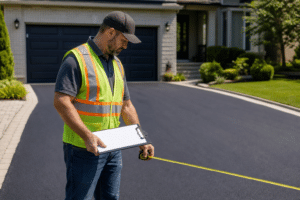
Before any work begins, the area is evaluated to determine soil conditions, drainage needs, and the scope of the project. This step identifies potential issues such as poor drainage, unstable subgrade, or grading challenges.
Step 2: Demolition and Removal
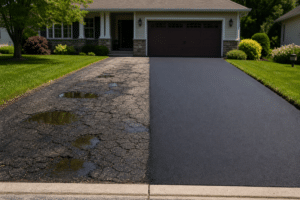
If replacing an existing driveway or parking lot, the old asphalt is removed. This may involve milling or full excavation depending on the condition of the pavement and base.
Step 3: Grading and Slope Preparation
Proper grading and slope preparation is critical to ensure water drains away from the surface. Without correct elevation and pitch, water can pool and lead to premature deterioration.
This step sets the foundation for long-term performance and prevents future structural issues.
Step 4: Subgrade Preparation
The subgrade is the native soil beneath the pavement. It must be properly compacted and stabilized to support the layers above. Weak or soft subgrade conditions can lead to failure regardless of how well the asphalt is installed.
Step 5: Installing the Base Course
The base layer provides structural support for the asphalt surface. Typically made of crushed stone or aggregate, it is spread and compacted to create a stable foundation.
A properly installed base ensures load distribution and prevents shifting or settling over time.
Step 6: Binder Layer Installation
The binder layer is a strong asphalt layer that adds structural integrity. It contains larger aggregate and acts as a bridge between the base and the surface layer.
This layer is especially important in areas with heavier traffic loads.
Step 7: Surface Course Installation
The surface course is the top layer of asphalt. It provides a smooth, finished appearance and protects the underlying structure from water and environmental exposure.
This layer is designed for durability, flexibility, and long-term performance.
Step 8: Compaction
Compaction is one of the most critical steps in the entire process. Rollers are used to compress the asphalt, eliminate air voids, and ensure proper density.
Without proper compaction, the pavement may fail prematurely, leading to cracking and deformation.
Step 9: Final Inspection and Finishing
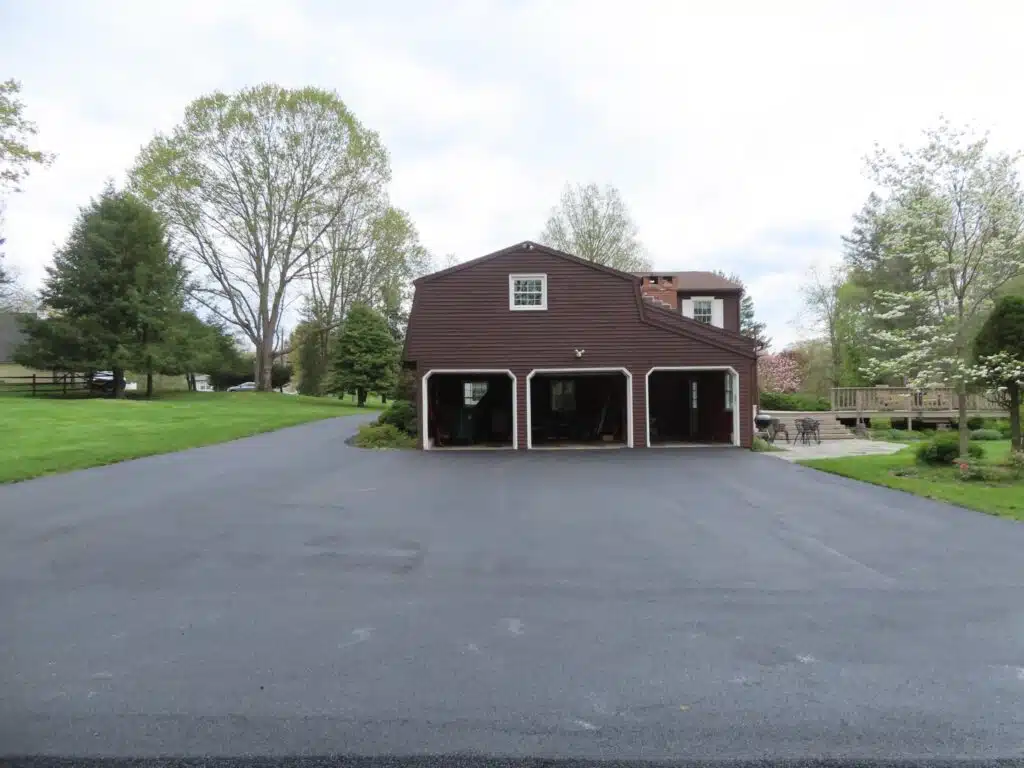
After installation, the surface is inspected to ensure proper grading, smoothness, and compaction. Edges are finished, transitions are cleaned up, and the pavement is prepared for use.
Once cooled and cured, the asphalt is ready for traffic.
How Long Does Asphalt Installation Take?
Most residential driveways can be completed within one to two days, depending on size and site conditions. Larger commercial paving projects may take longer due to additional preparation and structural requirements.
Common Mistakes That Lead to Early Failure
- Poor base preparation
- Improper grading or drainage
- Insufficient compaction
- Thin asphalt layers
- Skipping critical steps in the process
These issues can lead to cracking, potholes, rutting, and costly repairs.
How to Extend the Life of Your Asphalt
After installation, proper maintenance is essential to maximize lifespan.
- Sealcoat every 2–3 years
- Fill cracks early
- Keep water draining away from the surface
- Avoid heavy loads during early curing
Routine maintenance protects your investment and delays the need for repairs or replacement.
Conclusion
The asphalt paving process is a step-by-step system designed to create a durable, long-lasting surface. Each phase—from site preparation to final compaction—plays a critical role in performance.
Understanding these steps helps ensure your driveway or parking lot is built to last and performs well for years to come.
Ready to see these steps in action on your own property? Maisano Brothers Inc. has been installing asphalt driveways across Connecticut since 1967. Request a free estimate for your new driveway installation.
Frequently Asked Questions
There are typically 9 main steps, including site prep, grading, base installation, paving, and compaction.
Base preparation and compaction are the most critical for long-term performance.
Asphalt can be driven on within 24–72 hours but continues curing for several months.
It’s the structural layer between the base and surface course that adds strength.
Proper grading ensures water drains correctly and prevents premature damage.
Typically 2–3 inches for residential use, depending on base conditions.
Yes, in some cases resurfacing is possible if the base is still stable.