Key Takeaways
- Sealcoating protects asphalt from water, UV rays, and chemicals
- It should be applied every 2–3 years for best results
- Sealcoating extends the lifespan of your driveway
- It improves appearance and prevents costly repairs
- Repairs should be completed before applying sealcoat
Sealcoat your driveway is one of the most effective ways to protect your asphalt and extend its lifespan. While many homeowners wait until cracks or potholes appear, the best approach is preventative maintenance. Applying a sealcoat at the right time helps protect your driveway from water, sunlight, chemicals, and everyday wear.
If you want your driveway to last longer, look better, and require fewer repairs over time, sealcoating should be part of your regular maintenance plan.
What Is Asphalt Sealcoating?
Sealcoating is the process of applying a protective layer over asphalt pavement. This layer acts as a barrier against the elements and helps preserve the flexibility and durability of the asphalt surface.
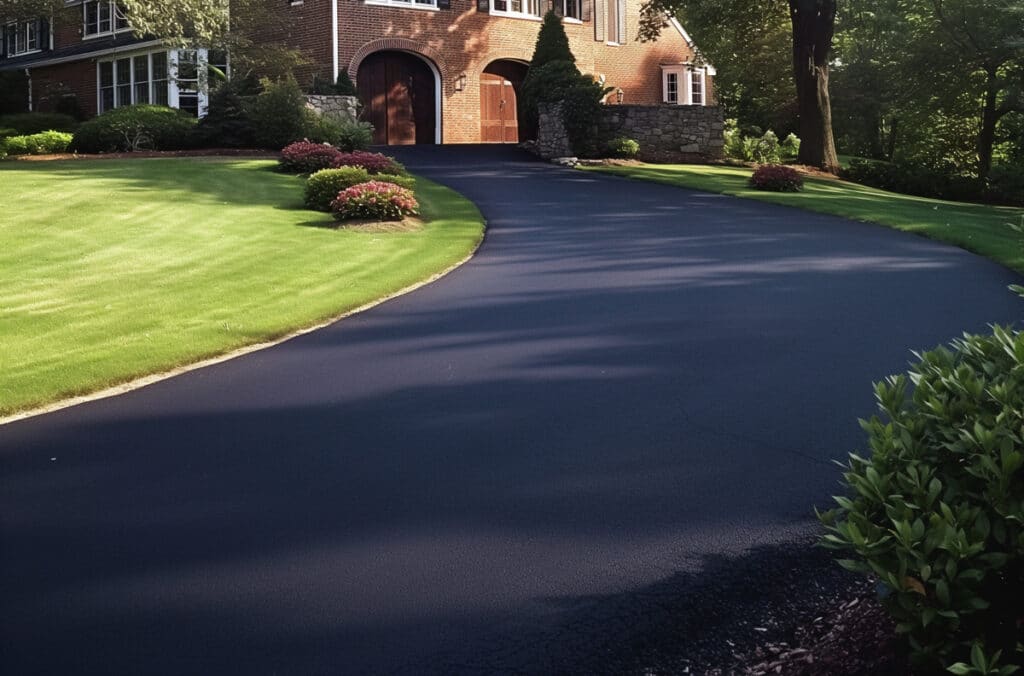
It also restores the rich black appearance of your driveway, giving it a clean, like-new finish.
Why You Should Seal Your Driveway
Protection Against Water Damage
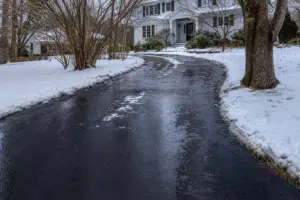
Water is one of the biggest threats to asphalt. It seeps into small cracks, weakens the base, and leads to potholes and structural failure.
Prevents UV Damage and Oxidation
Sunlight gradually dries out asphalt, making it brittle and prone to cracking. Sealcoating helps block UV rays and slow down oxidation. Learn more about how asphalt breaks down in our guide on what causes asphalt deterioration.
Resists Oil and Chemical Damage
Oil, gasoline, and other automotive fluids can soften asphalt and cause surface deterioration. If your driveway already has stains, check out our guide on removing oil stains from asphalt.
Improves Appearance
A freshly sealed driveway has a smooth, dark finish that enhances curb appeal and gives your property a well-maintained look.
Extends Driveway Lifespan
Regular sealcoating can significantly extend the life of your asphalt, delaying the need for costly repairs or full replacement.
When Should You Sealcoat Your Driveway?
Timing is important when it comes to sealcoating.
- New asphalt should be sealed after 6–12 months
- Existing driveways should be sealcoated every 2–3 years
- Sealcoating should be done in warm, dry conditions
Understanding the cost of sealcoating can help you plan ahead and stay on top of maintenance.
Signs Your Driveway Needs Sealcoating
- Faded gray color instead of deep black
- Small surface cracks forming
- Rough or dry texture
- Visible wear from traffic or weather
If left untreated, these small issues can turn into larger problems like cracking and potholes. Learn how those develop in our guide on pothole repair and patching.
Ready to Get Started?
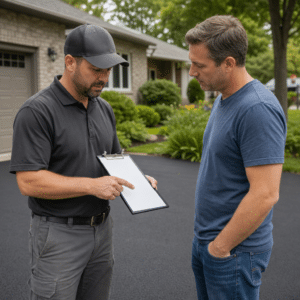
Get a Professional Assessment You Can Trust
Whether you’re planning a new project or need expert guidance, Maisano Brothers delivers reliable asphalt solutions built to last.
Sealcoating vs Repairs: What’s the Difference?
Sealcoating is a preventative treatment, not a repair solution.
If your driveway already has cracks or potholes, those issues should be addressed before applying a sealcoat. Otherwise, the damage will continue beneath the surface.
In some cases, you may need to decide whether to repair or replace your driveway. Learn more in our guide on resurfacing vs replacement.
DIY vs Professional Sealcoating
DIY Sealcoating
While DIY products are available, they often lack the durability and coverage of professional applications. Improper application can lead to uneven results and shorter lifespan.
Professional Sealcoating
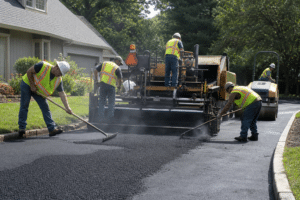
Professional contractors use higher-quality materials, proper surface preparation, and specialized equipment to ensure even coverage and long-lasting protection.
This results in better performance and a more uniform finish.
How Sealcoating Fits Into Long-Term Maintenance
Sealcoating is just one part of a complete asphalt maintenance plan.
- Regular inspections
- Crack sealing
- Drainage maintenance
- Timely repairs
Winter conditions can accelerate damage, especially with improper snow removal or salt use. Learn how to avoid damage in our guide on snow removal best practices.
Conclusion
Sealcoating your driveway is a simple but powerful way to protect your investment. By preventing water intrusion, slowing oxidation, and reducing surface wear, sealcoating helps keep your asphalt in top condition.
Waiting too long can lead to cracks, potholes, and more expensive repairs, so it’s always better to stay ahead of the damage.
Ready to protect your driveway investment? Maisano Brothers provides professional sealcoating services across Connecticut. Get your free estimate — most residential driveways can be sealed in a single day.
Ready to Get Started?
Get a Professional Assessment You Can Trust
Whether you’re planning a new project or need expert guidance, Maisano Brothers delivers reliable asphalt solutions built to last.
Frequently Asked Questions
Most asphalt driveways should be sealcoated every 2–3 years depending on usage, weather exposure, and overall condition. High-traffic areas may require more frequent maintenance.
The best time is during warm, dry weather, typically late spring through early fall. Temperatures should be consistently above 50°F for proper curing.
Sealcoating typically dries enough for foot traffic within 24 hours and vehicle traffic within 24–48 hours. Full curing may take a few days.
No. Cracks should always be filled before sealcoating. Sealcoating does not repair structural damage.
Sealcoating generally lasts 2–3 years, depending on traffic, climate, and maintenance.
Yes. Sealcoating protects asphalt from water, UV rays, and chemical damage, helping prevent premature deterioration.
No. Potholes must be repaired before sealcoating. Sealcoating is strictly a preventative treatment.
Without sealcoating, asphalt becomes brittle, fades, cracks, and deteriorates much faster, often leading to costly repairs.
Costs vary based on driveway size and condition. For a quick estimate, use the asphalt cost calculator.
DIY is possible, but professional sealcoating provides better coverage, durability, and long-term results.
No. Properly applied sealcoating includes additives that help maintain traction.
New asphalt should cure for 6–12 months before sealcoating.
Sealcoating helps resist oil and chemical penetration, but it does not completely prevent stains.