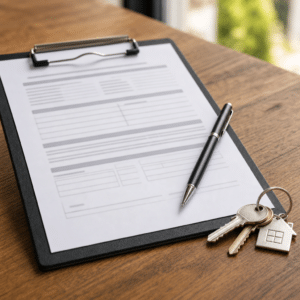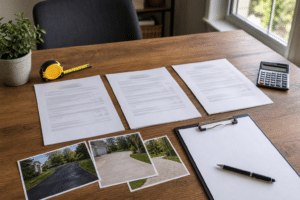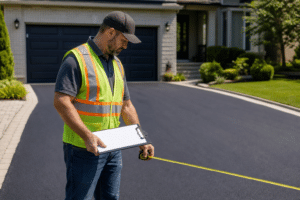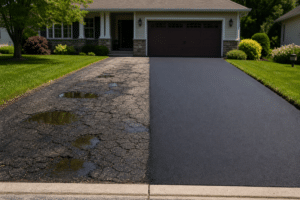
Yes, you should have a written contract for driveway paving. A handshake or verbal agreement may feel simple at the start, but it leaves too much room for confusion once the crew, materials, schedule, and payment terms are involved. A clear contract protects both the homeowner and the contractor by putting the real scope of work in writing.
That does not mean the paperwork has to be complicated. It just needs to spell out what is being done, what is included, what is excluded, and how changes will be handled. If you are planning new asphalt driveway installation or a major driveway replacement, the written agreement matters even more.
Key Takeaways
A written paving contract helps prevent surprise charges, scope disputes, and misunderstandings about what the finished driveway should include.
Quick answer
- Yes, driveway paving should be covered by a written contract.
- The contract should list scope, materials, prep, cleanup, payment terms, and warranty details.
- Verbal promises should be added to the written agreement before work begins.
- Change orders should be approved before extra work is performed.
- A good contractor should not be bothered by basic paperwork.
Why a written contract matters
Driveway paving involves more than placing asphalt. The final result depends on excavation, base repair, grading, compaction, drainage, material thickness, access, cleanup, and weather. If those details are not written down, disagreements become much harder to resolve.
A contract turns the conversation into a shared plan. It helps you compare the contractor’s proposal against the company’s asphalt paving services and confirms that everyone understands the job before work starts.
What should be included in the contract
Project scope
The contract should describe the driveway area, the work being performed, and whether the job is a resurfacing, replacement, repair, or new installation.
Base preparation
Look for details about excavation, stone base, compaction, and asphalt grading. This is where many cheap proposals cut corners.
Material and thickness
The agreement should identify the asphalt work being performed and the planned thickness where possible.
Cleanup and disposal
Old asphalt, dirt, and job debris should either be included or clearly excluded.
Payment terms
The contract should explain deposit requirements, progress payments if any, final payment, and accepted payment methods.
Warranty information
If there is a warranty, the terms should be written clearly. The warranty should explain what is covered, what is excluded, and how long protection lasts.
The FTC recommends getting home improvement details in writing before work begins: FTC home improvement guidance.
What should make you pause before signing
Any contractor who refuses to write down the scope is asking you to accept unnecessary risk. If the company will not specify base work, thickness, cleanup, payment terms, or warranty language, you do not have enough information to compare the job honestly.
- Pause if the contractor will not define the work in writing.
- Pause if the proposal leaves out prep or cleanup.
- Pause if the payment schedule is unclear.
- Pause if the contractor seems irritated by reasonable questions.
- Pause if verbal promises do not appear in the written contract.
How to handle changes after work starts
Sometimes the site reveals an issue once the crew opens the driveway. A soft base, hidden drainage problem, or damaged edge may require extra work. That does not automatically mean the contractor did anything wrong. It means the contract should explain how changes are approved.
A good agreement should state how extra work will be priced, who approves it, and whether a written change order is required before the crew proceeds. That simple process can prevent a lot of frustration later.
What a solid contract helps you avoid
A detailed contract helps prevent surprise charges, vague promises, and disputes about what was included. It also helps you compare contractors without trying to remember who said what during a phone call.
If two contractors sound similar in person, the written proposals often reveal the real difference. One may include proper base repair and cleanup. Another may only plan to pave over the existing surface. That is not a small detail; it is the core of the job.
What happens when there is no contract
Without a signed agreement, every disagreement becomes a memory contest. One side thinks cleanup was included. The other side thinks it was extra. One side remembers a discussion about base depth. The other remembers only the price.
There is nothing wrong with wanting the job to feel simple. The best way to make it simple is to document the details clearly before work begins.
Questions to ask before signing
- What exact work is included?
- What work is excluded?
- How will the base be prepared?
- What thickness will be installed?
- How are change orders handled?
- What warranty applies to the job?
- When is payment due?
FAQs
Is a written estimate the same as a contract?
Not always. An estimate may describe expected pricing, while a contract should define the agreed scope, terms, and responsibilities.
Can I rely on verbal promises?
You should not rely on them unless they are added to the written agreement.
Should the contract include cleanup?
Yes. Cleanup and disposal should be included or clearly listed as excluded.
What if hidden issues are found?
The contract should explain how extra work is approved and priced before the crew continues.
Is paperwork a bad sign?
No. Clear paperwork is a good sign. It shows the contractor is organized and willing to be accountable.
Get the agreement clear before work begins
A written contract should make you more confident, not more confused. If you want a clear paving proposal for your property, review the FAQ, contact Maisano Brothers Inc., or request an estimate.