Key Takeaways
- Parking structures require ongoing maintenance to remain safe and functional
- Routine inspections every 2–3 years help catch problems early
- Preventive maintenance is far less expensive than major structural repairs
- Water intrusion is the leading cause of garage deterioration
- Proactive planning extends the life of parking structures and protects users
- Experienced professionals play a critical role in long-term performance
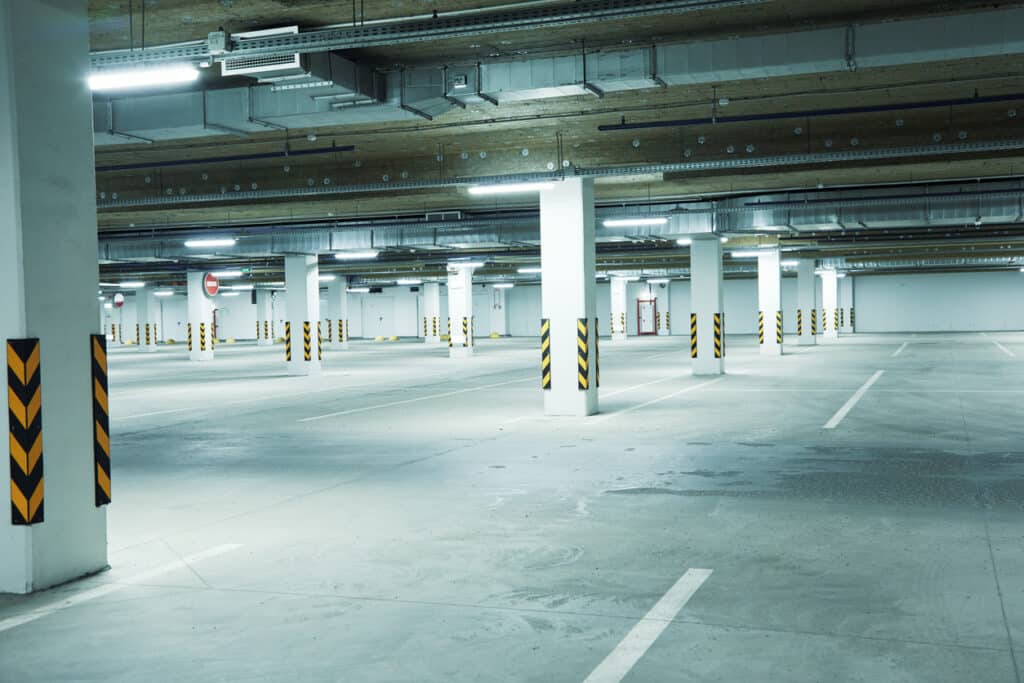
Parking structures are high-value assets for commercial properties, municipalities, and large facilities. They support daily operations, protect visitors and vehicles, and often serve as the first physical interaction someone has with your property. While parking garages are designed for strength and longevity, they are not maintenance-free. Continuous exposure to traffic loads, weather, water infiltration, and deicing chemicals causes gradual deterioration. Without a structured maintenance plan, minor issues can escalate into costly structural repairs or safety risks.
This guide explains why parking structure maintenance matters, how inspections and repairs are typically handled, and how proactive planning protects both your investment and the people who rely on it.
Why Parking Structure Maintenance Matters
Parking garages endure constant stress. Vehicles apply repeated loads. Water penetrates concrete surfaces. Freeze-thaw cycles expand cracks. Chlorides from road salt accelerate corrosion of reinforcing steel. Over time, these forces weaken both concrete and structural components.
Regular maintenance allows property owners to address deterioration early, before it becomes disruptive or expensive. Well-maintained parking structures offer improved safety for drivers and pedestrians, lower long-term repair costs, reduced risk of emergency closures, longer service life, better appearance and user confidence, and compliance with inspection and safety requirements. In most cases, preventive maintenance costs far less than delayed structural rehabilitation.
How Often Should Parking Structures Be Inspected?
Most commercial and municipal parking structures should be professionally inspected every two to three years. High-traffic garages, older facilities, or structures exposed to harsh winter conditions may require more frequent evaluations.
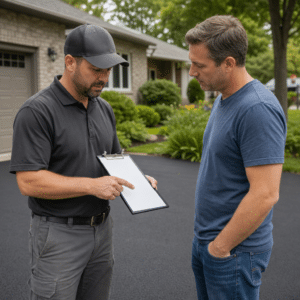
Routine inspections typically include visual reviews of decks, ramps, beams, and columns, identification of cracking, spalling, or exposed reinforcement, evaluation of expansion joints and waterproofing systems, drainage inspections to identify standing water or clogged outlets, and review of previous repair areas to confirm performance over time.
Regular inspections help property managers track deterioration trends and prioritize repairs before conditions worsen.
Common Parking Structure Problems and What They Mean
Concrete cracking allows water to penetrate the structure. When reinforcing steel corrodes, it expands and causes concrete to break away, known as spalling. Left untreated, this can compromise load-bearing elements. Expansion joint failure prevents proper movement and allows water infiltration, accelerating deterioration on lower levels. Deck surface wear caused by traffic, snowplows, and chemicals leads to delamination, potholes, and uneven driving conditions. Water leaks and poor drainage contribute to corrosion, surface damage, and long-term structural weakening. In post-tensioned garages, exposed or damaged tendons require immediate attention due to their role in structural stability.
Recognizing these issues early allows repairs to be completed before safety or structural integrity is affected.
Preventive Maintenance vs. Major Repairs
Preventive maintenance focuses on slowing deterioration and preserving structural integrity. Common preventive services include:
- Crack sealing
- Joint repair or replacement
- Drain cleaning and water management
- Waterproofing and traffic coating systems
- Localized concrete patching
- Surface improvements such as restriping
Major structural repairs are required when deterioration becomes advanced. These may include structural concrete restoration, beam or column reconstruction, parking lot resurfacing, post-tension cable repair, or large-scale waterproofing replacement. These projects typically require engineering review, careful phasing, and professional oversight to minimize operational disruption.
Planning a Parking Structure Maintenance Project
Effective maintenance begins with planning. Property owners should clearly define the scope of work, understand how repairs affect daily parking operations, phase work to keep portions of the garage open when possible, confirm timelines and budgets, and coordinate inspections, permits, and safety requirements. Proper planning reduces downtime, avoids surprises, and keeps projects on schedule.
The Value of Working With Experienced Professionals
Parking structures are complex systems. Repairs require an understanding of structural behavior, materials, and long-term performance. Experienced professionals help identify root causes rather than surface symptoms, recommend durable repair solutions, coordinate engineers and inspectors, manage schedules to minimize disruption, and ensure work meets safety and industry standards. A professional approach transforms maintenance from a reactive expense into a long-term asset strategy.
Frequently Asked Questions
With proper maintenance, many parking structures can remain in service for 40 to 50 years or longer. Neglected structures often require major rehabilitation much sooner.
Water intrusion combined with deicing salts is the leading cause of concrete damage and steel corrosion in parking structures.
Requirements vary by location. Some municipalities mandate periodic inspections for older or high-capacity garages. Even when not required, inspections are strongly recommended.
Yes. Most maintenance projects can be phased so sections remain open, minimizing disruption to users.
Surface cracks may be minor, but cracks accompanied by spalling, rust staining, or water leaks should be evaluated by a professional.
Yes. Waterproofing systems protect concrete from moisture and chemicals, significantly slowing deterioration and extending the structure’s service life.